
How Your Business Model May Be Undermining Your Success
December 23, 2025
What to Do When You’re Making a Profit But Short on Cash
December 23, 2025How Your Business Model May Be Undermining Your Success
December 23, 2025What to Do When You’re Making a Profit But Short on Cash
December 23, 2025December 23, 2025
Crafting a Clear Value Proposition: Your Base for Business Success
By Ted LeBow, Founder & Co-CEO

If you want a successful business, you need to know how to stand out in the market. Your unique selling proposition, also known as your value proposition, defines how you will do so.
Your value proposition is the unique benefits and characteristics of your business and product. It’s what makes you stand out from a crowd and what gets customers to purchase your product.
Your value proposition is your elevator pitch to a new customer. It’s also a foundation of business planning that helps you make sure your product will sell and that you’re pricing it appropriately.
At Good Roots, we use a Unique Selling Proposition Matrix to define a business or product’s value proposition, compare it to competitors, and determine pricing. In this blog post, we’ll explain why the matrix matters, how it helps, and how to create one for your business.
All Businesses Need a Clear Value Proposition
All businesses need a clear value proposition in order to effectively communicate about themselves and their products to their customers. The value proposition sets your business apart and convinces a new customer to purchase from you.
Farms and food businesses that sell direct-to-consumer use their value proposition everyday in direct communications and marketing to their customers. Wholesale businesses use their clear value propositions to situate themselves in the market and attract clients.
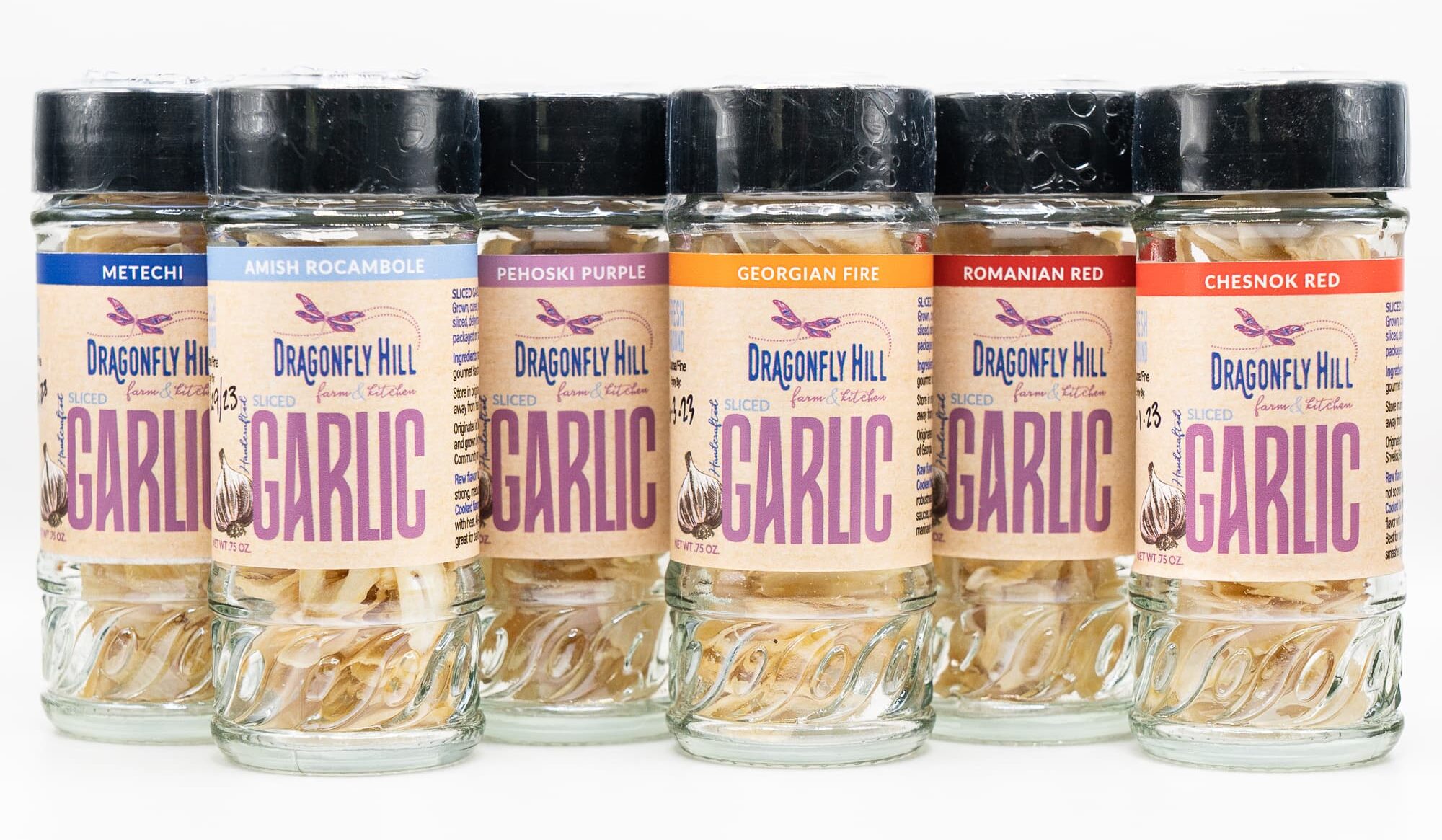
A business may have a single value proposition or there may be a slightly different value proposition for each product or product category of a business. For example, a yogurt company can have one value proposition. But a farm that sells garlic, pastured pork, and hosts an AirBnB site may need three slightly different value propositions.
Be a savvy business owner.
Get tips on accounting, finance, marketing, and more, tailored for farms and food businesses—free.
"*" indicates required fields
A good value proposition explains:
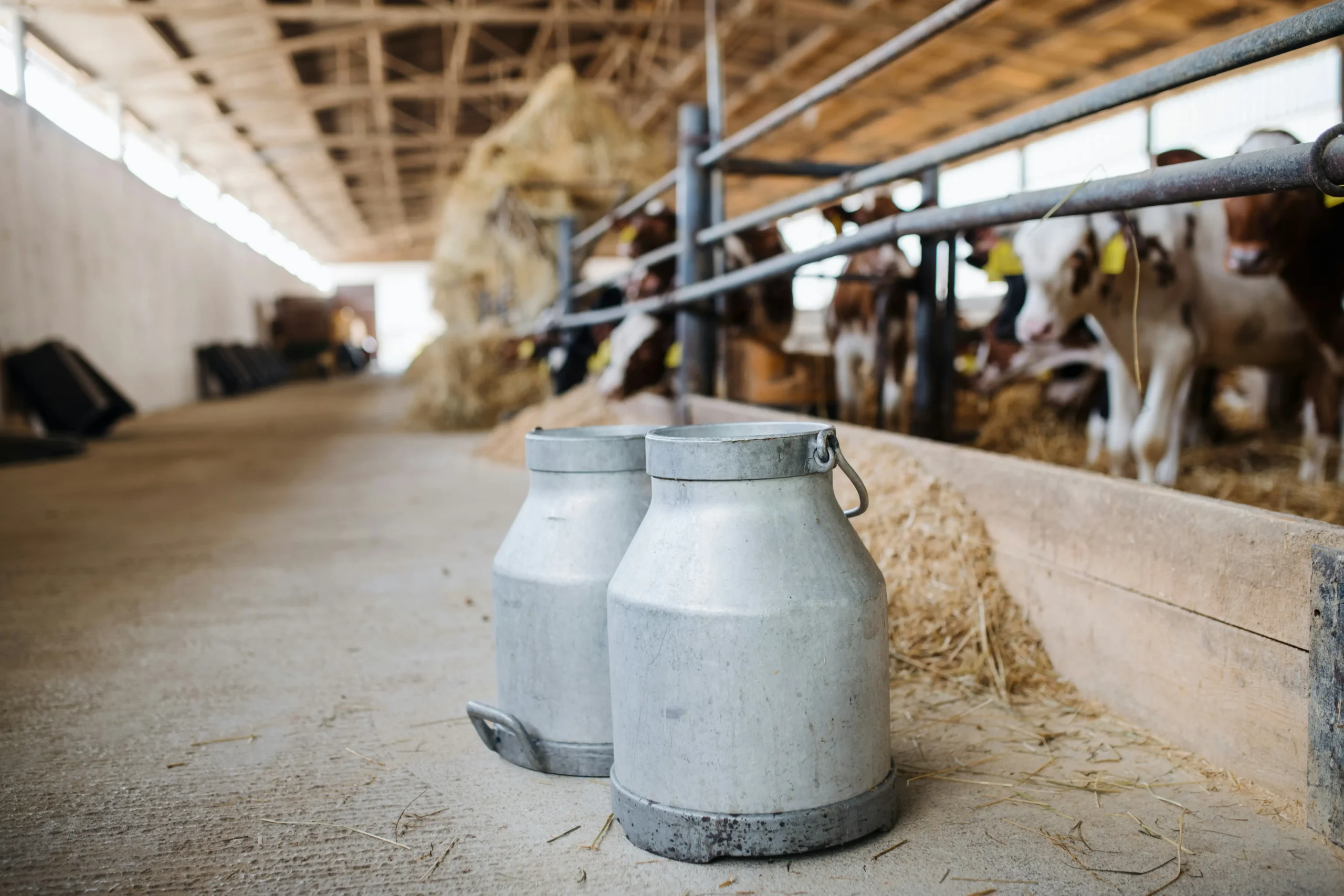
- How your product or business solves a problem. For example, your farm and your grass-fed milk may solve the problem of not enough quality local grass-fed dairy in your area
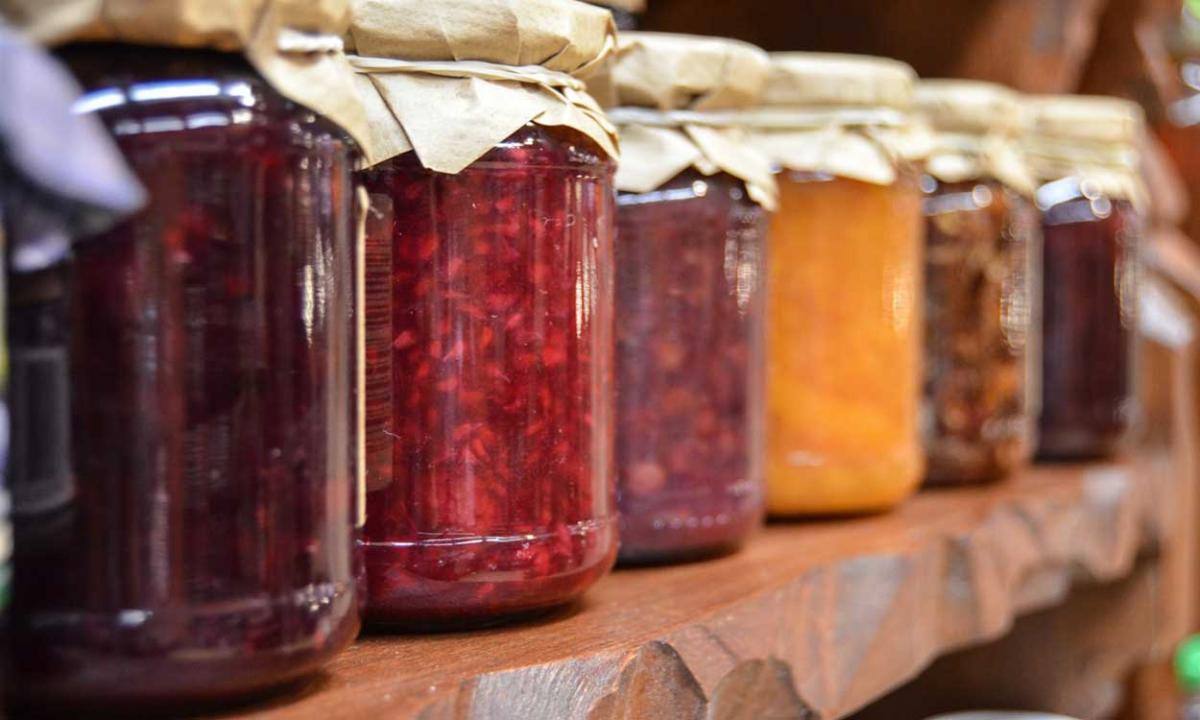
- Where your business fits into the landscape of your industry. For example, you might be the only farm in your area producing no added-sugar jam.
- Why your business should exist. For example, you make baked goods that are guaranteed allergen-free as a safe option for families with allergies.
Once you have a value proposition, you’re ready for marketing your business and products. Without it, you won’t be able to clearly tell your story and explain why customers need your product. And, if you can’t market your product, you won’t be able to have a successful business.
How to Define Your Value Proposition
The earlier you define your value proposition, the better.
If you’re starting a new business or adding a new enterprise, identify the value proposition during the first phases of business planning. Then, build the rest of the plan and business around that clear value proposition.
If you already have a business or product, clarifying your value proposition is an important part of planning for the future. If your business is struggling, it may be because your value proposition is not clear.
Begin the process by looking at your elevator pitch. When people ask you what you produce, what’s the thirty second answer? Even if your elevator pitch isn’t fully fleshed out, it should give you a starting point.
Next, create a list of the things that set your business apart and make it special or unique. For example, grass-fed, local, woman-owned, organic, lactose-free, etc.
Then, create your unique selling proposition matrix. The matrix compares your business or product to your competitors. Follow these steps to build your matrix:
- Identify competitors
- The easiest way to look for competitors is through a simple Google search. Search for your exact product (ex. Herbed goat cheese) and adjacent products (ex. Other cheeses that go on salads such as feta). A competitor is anyone that you would want to convert customers from. It doesn’t have to be exactly the same product.
- Make sure that the businesses you are comparing yourself to are roughly the same size as your business. As a small farm producing goat cheese, you are not directly competing with the giant, national wholesalers in the grocery store. You are competing with the other small farms in your region.
- If you ship nationwide you will have a larger pool of competitors to compare to than if you are just selling locally.
- Once you’ve identified the competitors, look through their marketing materials to determine which of your unique characteristics they share. During this process, you may discover other characteristics that you hadn’t considered.
- Create a table that summarizes your findings. Place the companies into rows and make the categories columns. Give each business a check mark for each category it fits into.

- Use the matrix to make informed decisions about how your business compares to its competitors. Make sure that you have enough unique characteristics to stand out and provide value that other businesses are not.
Once you’ve clarified your value proposition, your matrix can then be used to help you determine your pricing.
You can create a new chart or add columns to the existing one that show the product types and prices of your competitors. You will be able to see the correlation between value characteristics and prices, such as whether the regenerative cheese costs more than the organic cheese. You can then determine the appropriate price based on your unique value proposition.
With a visual representation of your value proposition and those of your competitors, you will be able to more easily know what your value is, where you fit in the landscape, and how to competitively price your product.
A successful business is one that knows its value and can effectively market to it. Defining your value proposition is where that process starts.