
The Best Ecommerce Platforms for Farms and Specialty Food Brands
October 8, 2025
A Small Business Guide to Shipping Perishable Food
October 30, 2025The Best Ecommerce Platforms for Farms and Specialty Food Brands
October 8, 2025A Small Business Guide to Shipping Perishable Food
October 30, 2025October 8, 2025
Digital Ads for Farms and Food Businesses: How to Choose a Platform
By Jackson Baker, Client Relations Specialist
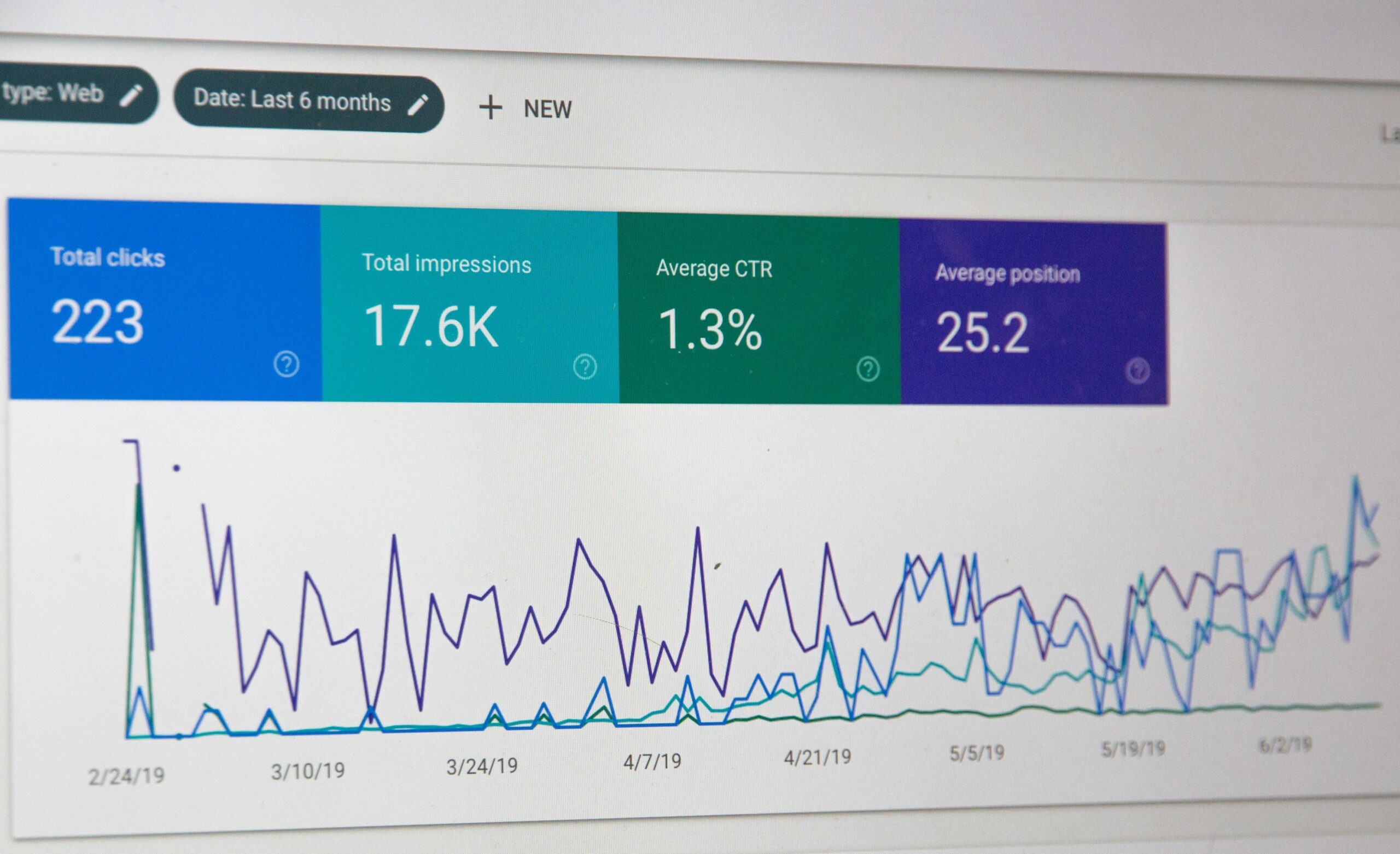
New customers are on every business owner’s wishlist. Digital ads are one of the most powerful tools for finding them. But ads are complex. Which platform to choose? How much to spend? What type of campaign should you run? Here, we’re breaking down the essentials of digital advertising for farm and food businesses so you can make educated decisions when you’re ready to invest.
Heads up: Expect to budget a minimum of $500/mo per platform to see results. If you're not ready for paid ads, try email marketing, social media, and other organic marketing strategies first.
Let’s start with some ads vocabulary.
Terms to Know
Conversion: A conversion is an action you want your customer to take. It could be clicking “add to cart,” or clicking to read a blog. It could be placing a call to your business or signing up for an email list. Deciding which conversion is most appropriate for your business and campaign is part of your ad strategy.
CPC: CPC stands for “cost per click”. CPC is the percentage of your total ad budget divided by the number of clicks on the ad. It tells you how much money you’re spending to get somebody to engage with your ad.
CRM: CRM stands for customer relationship management, a fancy term for the software you use to store customer information, such as names, email addresses, physical addresses, and more.
CTR: CTR stands for “click-through rate”. CTR is a measurement of how many of the people who saw your ad decided to click on it. CTR is often used as a measure of success for ads (the higher the number the better), depending on your strategy.
Leads: Leads are potential customers who have expressed interest in your business or product by providing their contact info. “Lead generating” ad campaigns are designed to capture email addresses so you can market to those customers over time.
Targeting: Targeting is the practice of choosing specific groups of people to show your ads. With all of the ad platforms we’ll cover today, you can target by:
- Demographics (customer age, gender, income, etc. For example: only show this ad to women in their 20s and 30s who earn more than $60k)
- Geographics (a specific city, region, or targeted radius around your farm/store. For example: only show this ad to households within 50 miles of the farm, or only show this ad to people in the nearest big city)
- Psychographics (customer lifestyle, interests, values. For example: only show this ad to people who are interested in cooking, kids, and sustainability)
Retargeting: Retargeting is the practice of showing ads to people who are already familiar with your brand in some way. Maybe they visited your website before, interacted with a social media post or ad, or they’re on your email list. You can specifically target these customers with ads to remind them about your brand. All of the platforms covered in this article—with the exception of TikTok—are capable of retargeting ads to your email list, if you have one.
Now that you know the lingo, let’s dive into the platforms.
Be a savvy business owner.
Get tips on accounting, finance, marketing, and more, tailored for farms and food businesses—free.
"*" indicates required fields

How to Choose Which Ad Platform to Use
Best Ad Platforms for Building Brand Awareness
Brand awareness is like the “introduction” step in marketing. The following platforms are a good choice if you’re new or haven’t had much exposure before.
- Google Display
- Meta
- YouTube
- TikTok
You could also offer gift cards or CSA memberships for the upcoming year as gifts that keep giving year-round. Pre-orders are a great way to guarantee availability and build excitement.
Best Ad Platforms for Generating Leads
These platforms are best if you have potential customers who are familiar with your brand, and now you want to get them on your mailing list where you can engage them over time.
- Google Search
- Google Display
- Meta
Best Ad Platforms for Generating Conversions/Sales
Choose from these platforms if your audience trusts your brand or product, and they’re ready to call, click, or purchase. Remember, especially when it comes to food, customers don’t have to know your brand to be ready to purchase your product.
- Google Shopping
- Google Search
- Meta
Now let’s break down the details of each platform.
Google Search
When you’re looking for a specific product or service, where do you go first? For more than 1 billion people, the answer is a Google search. Search users often intend to buy something (in marketing we call that “intent to purchase”) and they are more likely to become customers compared to social media ad viewers or display ad viewers. Google search ads are usually text-based.
Choose Google Search if:
- You are selling a product or service that doesn’t need visuals to showcase it
- You want to capture customers with the intent to purchase
- You’re using SEO as a marketing tool, but you’re not yet ranking on the first page
- You’re a start- up/small farm, in consulting, or in CPG (consumer packaged goods)
Skip it if:
- Your customers don’t know your product exists (they wouldn’t be searching for it or something similar to it)
- You need visual creatives to explain what it is/does
- You’re already an established CPG brand ranking at the top of the page for that search term
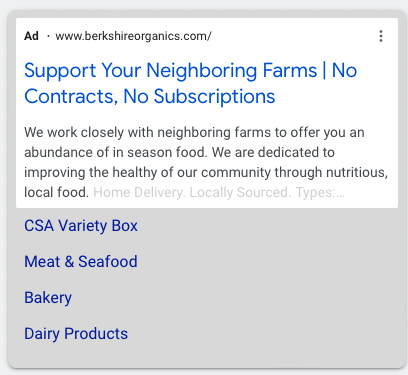
What a Google Search Ad looks like

Google Shopping
Google Shopping also captures customers actively searching for products. It’s a quick way to comparison shop without clicking through multiple websites. Users on Google Shopping typically have the highest intent to purchase. Google Shopping ads display an image of the product, its price and even reviews alongside competitor products.
Choose Google Shopping if:
- You have a product you want to show along with price and reviews, such as different flavors of ravioli at different prices (as seen in the sample ad below)
- You have an ecommerce website that integrates with Google Merchant Center such as:
- Shopify
- WooCommerce
- BigCommerce
- PrestaShop
Skip it if:
- You sell services (such as consulting) and not physical products
- You have a small budget and can’t compete with large retailers

Google Display
Google display ads are shown on websites that your target customers visit. They are shown on the sides and at the top and bottom of the page. Display ads are a great choice if your product is beautiful, because the ads have prominent space for imagery.
Choose Google Display if:
- You have products that need visual images and videos to showcase what it does/how it works
- You are looking to build awareness and drive more traffic to your website
Skip it if:
- You only want conversions like clicks, email addresses, and sales
- Your budget is limited and can’t support multiple ad types (Google Display ads are most powerful in conjunction with others)

What a Google Display Ad looks like
YouTube
Advertising on Youtube is a great way to build brand awareness, especially if you have a product or service that needs more explanation or education. This is a great avenue to showcase customer testimonials and show product demos. Ads are shown before and occasionally during another video that the customer is watching. The ads can be skippable or non-skippable, and you only pay for the ad if it's watched for longer than 5 seconds.
Choose YouTube if:
- Your product/service would benefit from video explanation
- You want to build awareness of a product or service
Skip it if:
- Your target audience doesn’t spend much time on YouTube
- Your budget is small and you want to focus on conversions rather than awareness

What a YouTube Ad looks like
Meta (Facebook/Instagram)
Facebook and Instagram help build awareness and generate leads. The most successful ads on these social media platforms are images and videos that are authentic and look like a social media post vs. something that was staged or shot professionally. The best ads are visually striking and grab a viewer’s attention immediately—photos of people and faces can help.
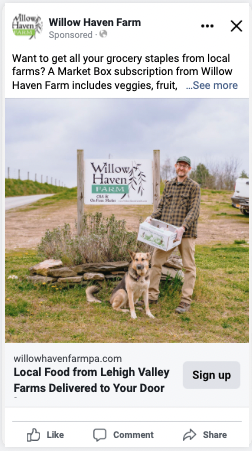
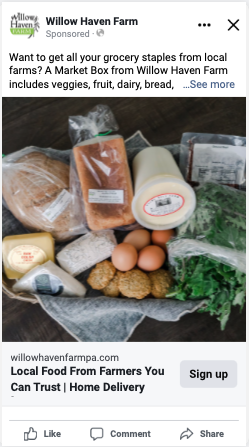
Choose Meta if:
- You want to grow your email list
- You want your target audience to engage with your brand
Skip it if:
- You only want to increase revenue
- Your audience doesn’t fit the demographics most likely to use these platforms

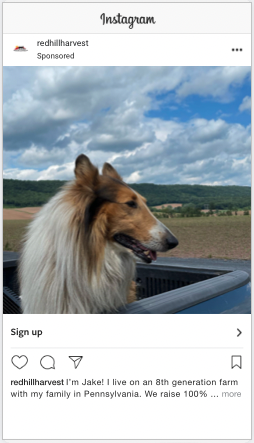
What a Meta (Facebook/Instagram) Ad Looks Like
TikTok
1 in 3 users have bought a product because they saw It on TikTok in the past year, making this platform a powerful choice for advertisers. TikTok is great at building awareness. For the best performance, TikTok ads should have an authentic, unpolished look (cell phone photos and videos outperform professional DSLR photos and footage).
TikTok ads are all short videos under one minute, but between 15-30 seconds is ideal. You can create a video right in the app or upload one. Ads are shown in a person’s feed as they scroll through.
A note about targeting: You can target by demographics, geographics, and psychographics, but targeting on TikTok is a bit more limited than other platforms.
Choose TikTok if:
- You have a healthy budget (daily minimum spend is $50)
- You’re able to create videos on a consistent and frequent basis
Skip it if:
- You’re limited on time and budget
- You want to focus efforts on increasing conversions and revenue
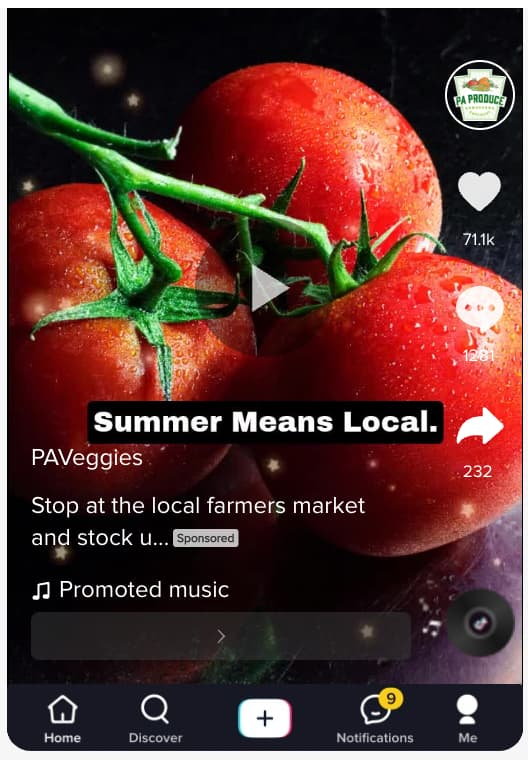
What a TikTok Ad looks like
If your business is B2B, LinkedIn is your go-to platform for advertising. There is no better way to reach other businesses than on LinkedIn.
You can run a traditional digital ad that will show up in a prospect’s newsfeed, or you can send an ad via InMail, which is essentially a letter that pops up like a message, trying to engage the customer. LinkedIn is great for building awareness and for building relationships and engagement.
LinkedIn has a reputation for being stuffy, but just because it’s more business-focused doesn’t mean there isn’t room for creative and fun ads. After all, the people seeing them are still human.
You can target by the standard targeting tactics and also by company size and name, job titles, seniority, skills, and more.
Choose LinkedIn if:
- You are B2B
- You have a healthy budget to reach your target audience—dollars don’t go as far on LinkedIn as they do on other platforms
Skip it if:
- You’re consumer focused or e-commerce
- You have a tight budget
- You want to focus on increasing conversions and revenue directly
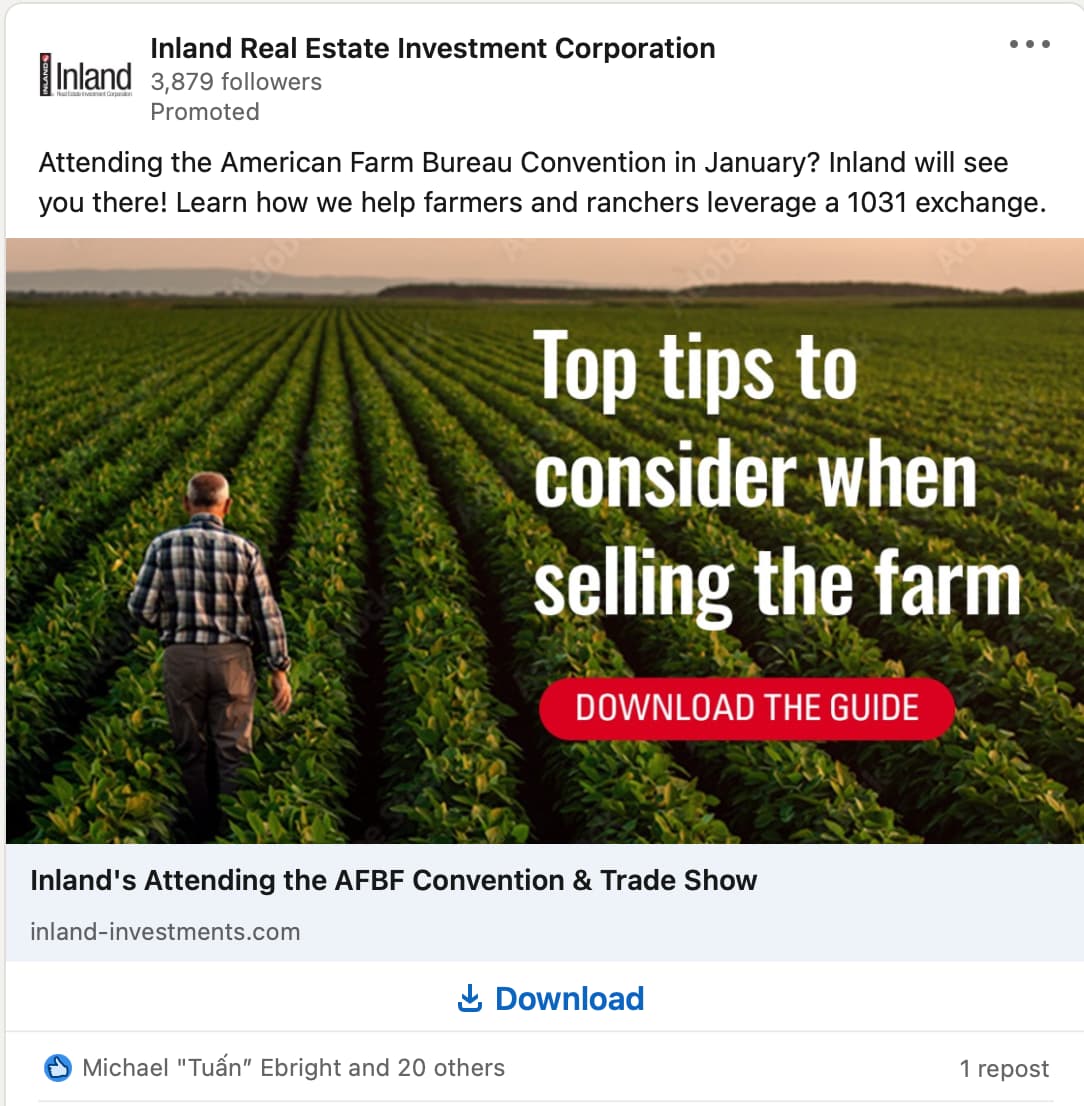

Examples of a LinkedIn Traditional Ad and In-Mail Ad